
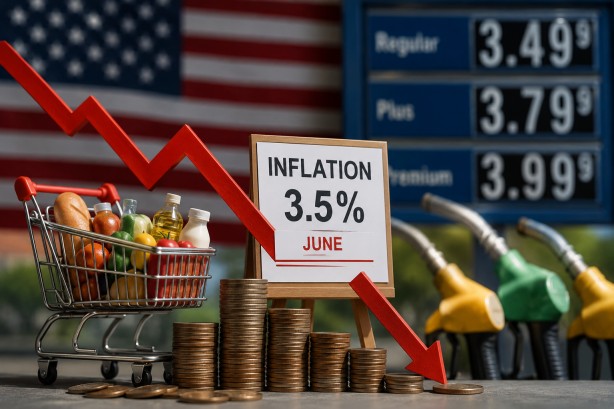
Inflation in the United States experienced a slowdown in June, with the annual rate dropping to 3.5%. This decrease was largely driven by a temporary fall in energy prices, which helped to lower overall consumer costs. The latest figures from the Consumer Price Index (CPI) show a notable easing from the higher inflation levels observed in recent months, with prices declining by 0.8% compared to May. The reduction in gasoline and fuel prices played a significant role in this monthly decline, balancing out increases in other sectors such as food, housing, utilities, and other everyday expenses.
Core inflation, which does not include the more volatile food and energy prices and is a critical measure for the Federal Reserve, decreased slightly to 2.6% on an annual basis. Despite the current ease in inflationary pressures, there are concerns that this trend might not last. Renewed tensions in the Middle East have led to a rise in global oil prices, which in turn have started to drive up fuel costs for consumers and increased operational expenses for industries like aviation and transportation.
The Federal Reserve is anticipated to review this latest inflation data in conjunction with labor market conditions during its upcoming policy meeting later this month. Although there has been a moderation in inflation, it still exceeds the central bank’s long-term target of 2%, creating uncertainty about when further interest rate adjustments might occur.
As these economic dynamics unfold, the interplay between global oil prices and domestic inflation remains a critical area of focus. Any sustained increase in crude oil prices could potentially reverse the recent relief consumers have experienced, complicating the Federal Reserve’s efforts to balance economic growth with price stability. The ongoing developments in the Middle East and their impact on global energy markets will be closely monitored by policymakers and economists alike as they navigate these complex economic conditions.
