
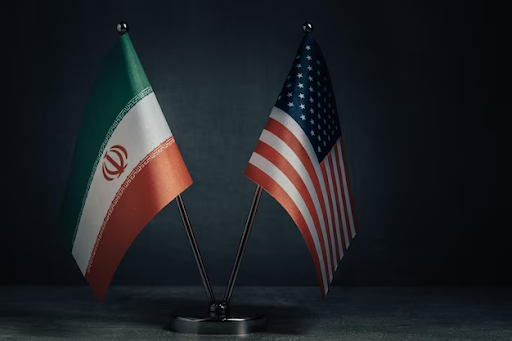
The Iran-US nuclear talks are not being conducted in a vacuum. Tuesday’s second round of indirect negotiations in Geneva took place simultaneously with a US naval buildup in the Gulf of Oman, live-fire Iranian military exercises in the Strait of Hormuz, and a speech by Iran’s Supreme Leader threatening American warships. The global stage on which this diplomacy is unfolding is as fraught as any in modern international relations.
Iranian Foreign Minister Araghchi described the session as constructive and reported agreement on guiding principles — a positive result that he confirmed would be followed by the exchange of draft texts and a third meeting in roughly two weeks. The talks, brokered by Oman, lasted about three and a half hours and covered the range of nuclear issues that have defined Iran-US diplomacy for years.
Iran’s core offer — the dilution of its 60% enriched uranium stockpile and expanded IAEA cooperation — was designed to address the most urgent international concerns about its nuclear programme without requiring Tehran to surrender its enrichment rights permanently. Iran also presented broader diplomatic incentives, including a proposed non-aggression pact with Washington and an economic cooperation framework.
The US demanded more: a complete halt to domestic enrichment and sweeping verification rights. Iran rejected the enrichment demand categorically, accepted verification in principle with modifications, and excluded its ballistic missiles and regional relationships from the scope of any nuclear agreement. The gap between the two sides remained real but was, according to Iranian officials, narrowing.
The fraught global stage on which these talks were set served as a constant reminder of what was at stake. The Strait of Hormuz, through which a significant percentage of the world’s daily oil supply flows, was partially closed for Iranian naval exercises. US carrier groups were positioned near Oman. Khamenei’s words about weapons that could sink warships were broadcast around the world. And inside Iran, over 10,000 people faced trial for the act of protesting in the streets.
