
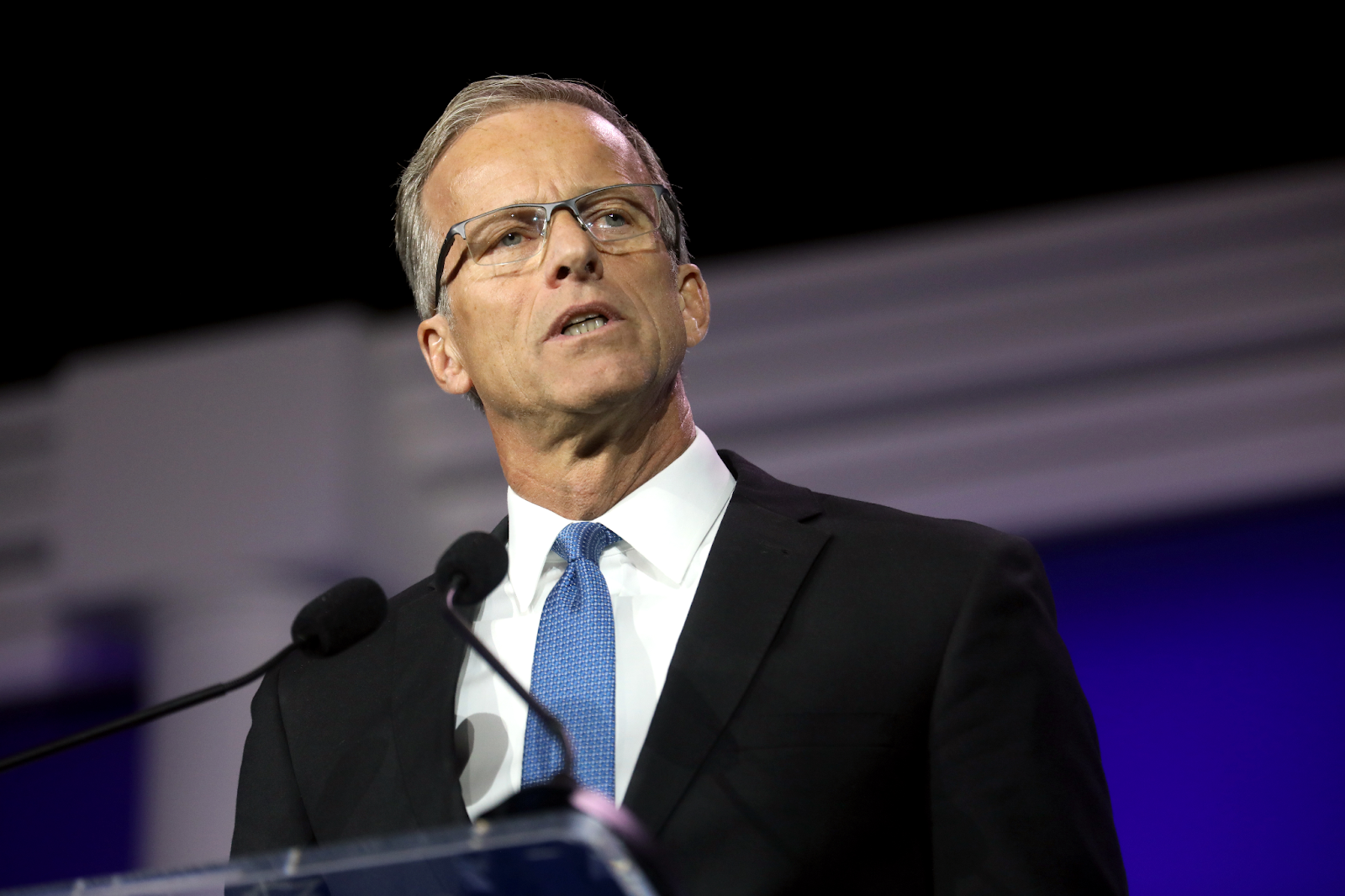
President Trump’s “One Big Beautiful Bill Act” is on thin ice in the Senate, with Majority Leader John Thune facing a precarious situation where he can only afford to lose three Republican votes. This narrow margin grants significant power to a handful of dissenting senators and threatens the bill’s passage in its current form.
The House-approved legislation, encompassing tax cuts, increased military and border spending, and Medicaid reductions, is utilizing the reconciliation process, allowing for a simple majority vote. However, the vocal opposition of senators like Ron Johnson and Rand Paul, driven by concerns about the national debt, puts the bill at risk.
The Congressional Budget Office’s projection of a $3.8 trillion increase in the deficit over ten years due to the bill’s tax provisions is fueling alarm among fiscal conservatives. These warnings are creating a powerful incentive for the Republican leadership to address the concerns of dissenting members.
The controversial Medicaid cuts, including new work requirements, are also a major point of contention. Additionally, the Byrd Rule could strip out non-budgetary provisions related to AI regulations, judicial power, or gun control, further complicating the legislative process and potentially leading to a significantly altered bill returning to the House.
