
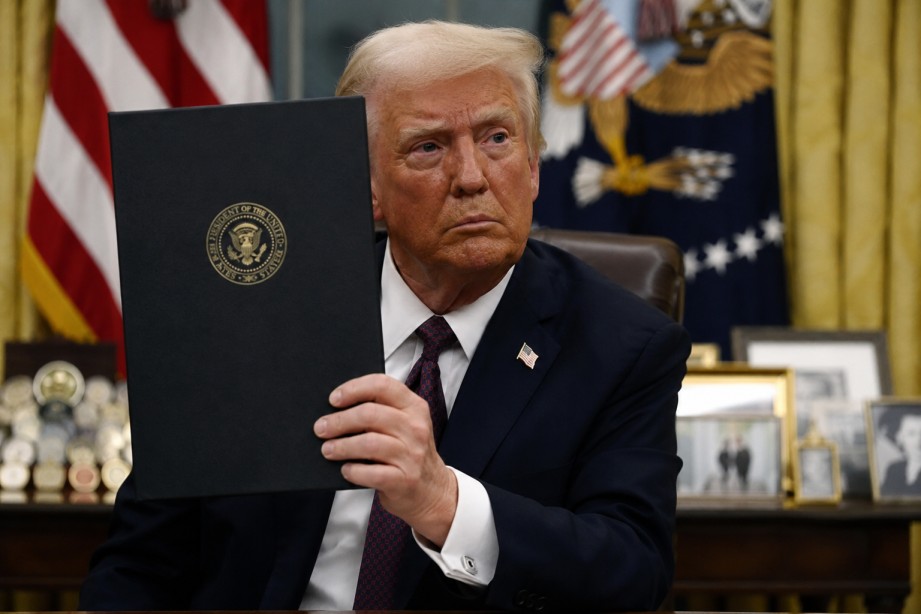
Less than an hour after Roger Rogoff was unanimously appointed and sworn in as the US Attorney for Western Washington by federal judges, President Donald Trump removed him from the position. Rogoff, who has extensive experience as both a judge and a prosecutor at the state and federal levels, was notified of his dismissal via email from the Trump administration shortly after taking his oath of office. In response to this unexpected turn of events, Rogoff is contemplating legal action against the decision.
This appointment came about because the term of the previous interim US attorney had ended, and no Senate-confirmed nominee was available to fill the vacancy. Consequently, federal judges utilized their authority to appoint Rogoff temporarily. However, the Trump administration justified his subsequent removal, emphasizing that while judicial bodies can make temporary appointments, the president possesses the authority to dismiss them.
The abrupt dismissal of Rogoff has stirred up a heated discussion about the balance between judicial appointments and executive authority. Critics argue that Trump’s action undermines the traditional process of selecting top federal prosecutors, raising concerns over the implications for the independence of the judiciary in such appointments.
The situation has highlighted the tension between different branches of government regarding who holds the ultimate power in appointing and removing federal attorneys. As this debate continues, the broader implications for the judicial system and executive oversight are being scrutinized, with significant attention on how this might affect future appointments and the perceived integrity of the process.
