
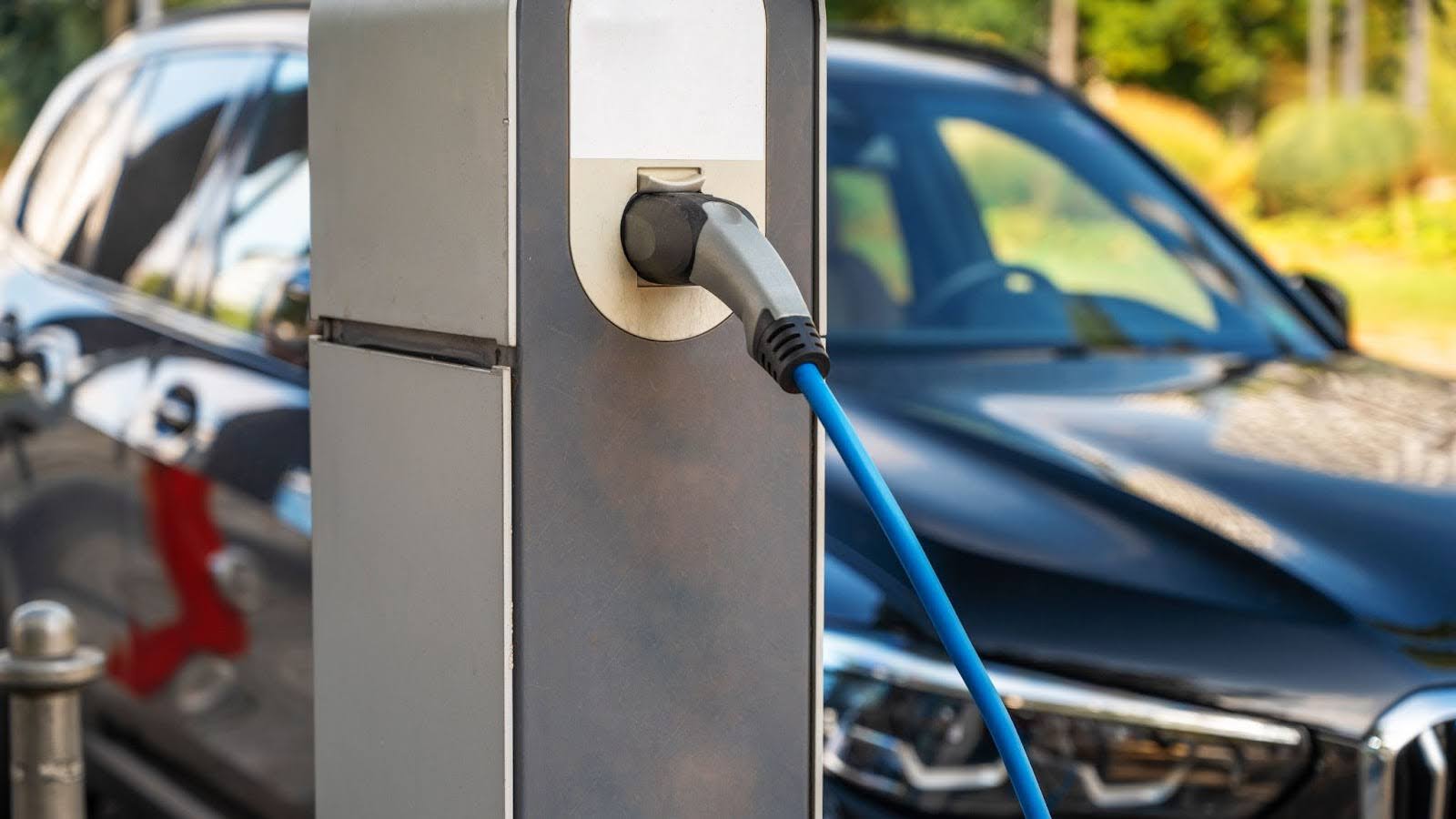
Critics of electric vehicles have long deployed what is sometimes called the long tailpipe argument: that EVs are only as clean as the electricity grid that powers them. This argument has some validity in specific contexts, but it is notably absent from the current conversation about surging US interest in electric vehicles — because at $3.90 per gallon, the economic argument for EVs is so powerful that the long tailpipe debate has become essentially irrelevant to the consumers driving the 20 percent EV search surge.
The economic motivation is clear. Iran’s closure of the Strait of Hormuz following US and Israeli military strikes disrupted the waterway carrying roughly one-fifth of global oil supply, elevated crude prices, and pushed American retail fuel costs to their highest level in nearly three years. CarEdge’s Justin Fischer documented the consumer response: a 20 percent EV search increase beginning within 48 hours of the conflict’s start. The motivation driving that search is financial, not environmental — and financial arguments are immune to long tailpipe counterarguments.
Edmunds’ Jessica Caldwell noted that the shift from environmental to financial framing in the EV conversation has made the long tailpipe argument less relevant in the current context. Consumers motivated primarily by fuel cost savings are not engaging with emissions comparisons — they are comparing their monthly gasoline bill with the monthly electricity cost of charging an EV, and finding the comparison favorable regardless of the emissions source of the electricity they would be using.
The practical financial comparison at $3.90 gas is compelling across most US electricity grids. Even in regions with relatively high-emission electricity generation, the cost per mile of electric transportation is substantially lower than gasoline at current prices — making the financial case for EVs robust across geographic markets and grid compositions throughout the country.
CarEdge’s Justin Fischer predicted that the long tailpipe debate would not slow the current EV adoption momentum, because the economic argument has become sufficiently powerful to motivate purchase decisions that would not be made in a lower-gas-price environment. When the financial case is this compelling, theoretical environmental debates simply do not register in the consumer decision-making calculus.
