
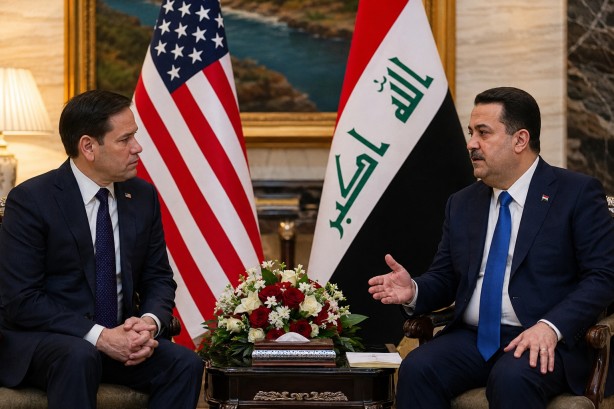
Iraqi Prime Minister Ali Al Zaidi’s recent visit to Washington has concluded with the successful signing of economic agreements aimed at enhancing ties between Iraq and the United States. The visit underscored Iraq’s ambitions to draw in investment and bolster security cooperation. Al Zaidi was presented as a leader committed to reform, which resonated positively with U.S. officials.
However, analysts warn that Iraq faces significant hurdles in implementing these key commitments. The challenges stem largely from the country’s complex political landscape and the presence of Iran-backed groups, which could impede progress on security reforms and economic modernization. This situation underscores the difficulties Baghdad may encounter as it seeks to fulfill its promises.
Experts highlight the delicate balancing act Iraq must perform in maintaining its relationships with both the U.S. and Iran, especially in a region marked by ongoing tensions. Navigating these alliances is crucial for Iraq, as it attempts to capitalize on the new opportunities for cooperation that this visit has opened up.
The long-term success of these endeavors will largely depend on Iraq’s ability to implement the promised reforms and sustain stable relations with its major partners. While the agreements reached during Al Zaidi’s U.S. visit are a positive step forward, the ultimate test lies in Iraq’s capacity to translate these commitments into tangible outcomes.
