
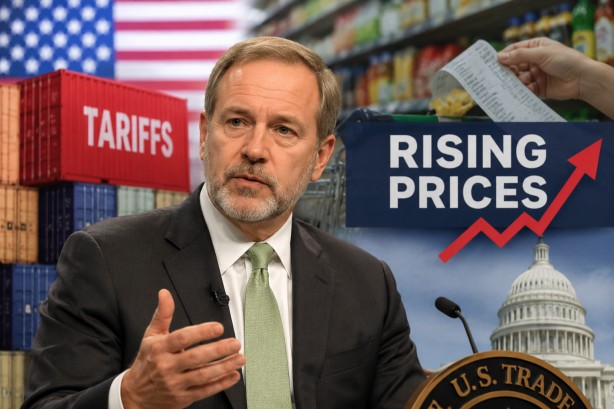
During a Senate hearing, U.S. Trade Representative Jamieson Greer defended the Trump administration’s tariff strategy, dismissing allegations that these tariffs have led to increased costs for American families. Greer asserted that core inflation has seen a reduction and refuted the notion that tariffs are to blame for elevating consumer prices. This stance, however, faced opposition from Democratic lawmakers who argued that tariffs have significantly contributed to rising household expenses and inflation.
Senators Elizabeth Warren and Raphael Warnock were vocal in their criticism of the administration’s trade policies, arguing that heightened import duties have driven up the cost of everyday goods, thereby exerting additional financial pressure on consumers. They pressed the administration to acknowledge the impact that these tariffs have on the cost of living, expressing concerns over the continued financial burden on American households.
The contention over tariff impacts emerges as the Trump administration prepares to implement a new wave of tariffs following the expiration of existing trade measures. This impending decision underscores the ongoing debate over U.S. tariff policy, which remains a pivotal issue as lawmakers weigh its implications on inflation, businesses, and consumers alike.
As the discussion unfolds, the administration’s reluctance to recognize the potential negative effects of tariffs stands in stark contrast to the assertions from various lawmakers. The debate highlights a significant divide in perspectives on how trade strategies affect the economy and the daily lives of Americans, with the future course of U.S. tariff policy at the forefront of legislative discussions.
