
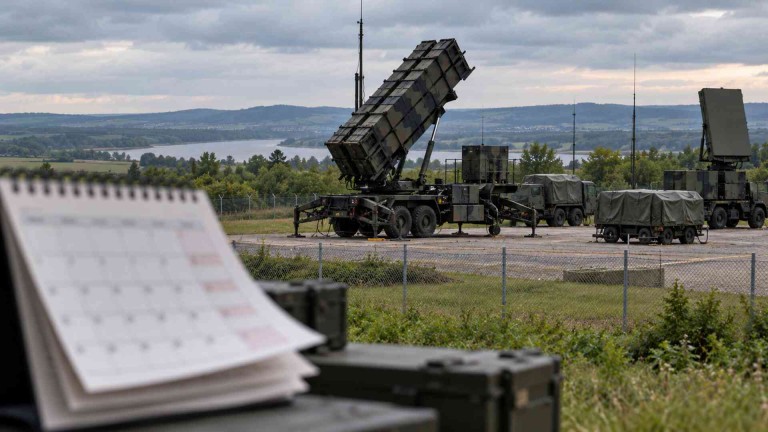
The United States has approved a $2.1 billion deal to supply Ukraine with 500 Patriot PAC-3 missile interceptors, a move aimed at bolstering Kyiv’s air defense capabilities amid ongoing Russian aggression. However, Ukrainian President Volodymyr Zelenskyy has expressed concerns about potential delays in the delivery of these critical weapons, which could span several years.
The US State Department emphasized that the proposed sale is intended to enhance Ukraine’s ability to address both current and future threats by reinforcing its integrated air and missile defense systems. President Zelenskyy has welcomed the decision, acknowledging it as a significant commitment from Washington. Yet, he underscored the urgency of the situation, noting that Ukraine requires these interceptors immediately to protect its cities and vital infrastructure from continuous Russian missile and drone attacks.
Zelenskyy highlighted the frequency of Russian strikes targeting Ukraine’s energy infrastructure, emphasizing the need for immediate support in air defense capabilities. He urged the United States and European allies to consider providing interceptors from their existing stockpiles to meet Ukraine’s immediate needs while newly manufactured units are still in production.
The timeline for the missile deliveries remains uncertain, with current estimates suggesting that the interceptors might not be available until the early 2030s. Ukraine is reportedly seeking to expedite the process by negotiating with the Pentagon to access interceptors already present in US military inventories.
The financing for this purchase is backed by contributions from Canada, Germany, and Norway, along with support from the European Union’s Ukraine Support Loan. The principal manufacturer of the Patriot interceptors will be US defense contractor Lockheed Martin.
This situation highlights the challenges Ukraine faces in defending itself against Russian attacks while relying on military assistance from Western partners. Zelenskyy’s appeal for immediate support underscores the precarious position Ukraine finds itself in as it seeks to maintain its defense capabilities amid prolonged delivery schedules.
