
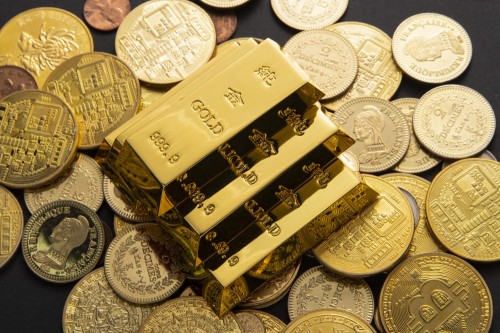
This week saw a decline in gold prices as the market responded to the ongoing uncertainty surrounding US-Iran negotiations, which aim to resolve the broader Middle East conflict. Gold traded near $4,450 per ounce, poised for a weekly loss of approximately 2%. Investors remain cautious due to mixed signals from both nations. While US officials have described the peace talks as nearing completion, Iranian representatives claim that substantial progress has yet to be made, leaving the market unsure about the eventual outcome.
The conflict, currently in its fourth month, has caused significant disruptions in key energy routes through the Strait of Hormuz, leading to increased oil prices and renewed fears of global inflation. These inflationary concerns have strengthened expectations that central banks may maintain or even tighten interest rates, thereby diminishing the appeal of non-yielding assets such as gold. Analysts have pointed out that gold has struggled to regain its footing, trading within a narrow band after experiencing sharp declines earlier in the conflict. The metal remains well below pre-conflict levels, indicating a reduced demand for traditional safe-haven assets despite the ongoing geopolitical risks.
The decline in gold prices is mirrored by similar downturns in other precious metals, while currency markets have remained relatively stable. This stability in currency markets suggests mixed investor attitudes amid the prevailing global uncertainty. Experts assert that the future direction of gold prices will likely hinge on whether geopolitical tensions increase or if diplomatic efforts lead to stabilization in energy markets and inflation expectations.
While the market waits for a clearer outcome from the US-Iran negotiations, the uncertainty continues to affect investor sentiment and market dynamics. The potential for peace or further conflict in the Middle East remains a significant factor influencing global markets, with investors closely watching for any developments that might tip the balance. Until then, the fluctuations in gold prices serve as a barometer of the broader economic and geopolitical landscape.
