
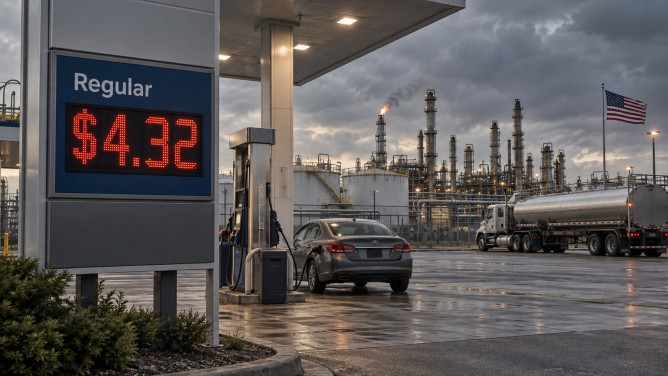
Gasoline prices in the United States have surged to an average of $4.32 per gallon, a steep climb attributed to mounting global oil supply concerns and geopolitical tensions. The latest figures from the U.S. Energy Information Administration reveal that prices have risen by nearly 25 cents over the last two weeks, a stark contrast to the approximately $3.18 average recorded at this time in the previous year.
The increase in gasoline prices is largely driven by turbulence in the global crude oil market, with conflicts in the Middle East, as well as ongoing issues involving Iran and Ukraine, fueling apprehensions about oil supply disruptions. These geopolitical risks are exerting upward pressure on energy prices, further complicating the economic landscape.
Diesel prices have also reached unprecedented levels, intensifying the burden on transportation and shipping sectors. The heightened cost of diesel is likely to cascade into broader consumer price pressures, as it raises expenses for moving goods across the country.
Typically, gasoline prices decrease during the fall when U.S. refiners transition to less expensive winter-grade fuel. However, analysts caution that the current geopolitical climate may impede the usual seasonal decline in fuel prices, potentially keeping them elevated.
Compounding the situation, the U.S. Strategic Petroleum Reserve has less emergency oil available compared to prior years, following significant withdrawals. This reduction could impair the government’s capacity to respond to any major disruptions in oil supply.
Energy analysts predict continued volatility in fuel prices, driven by developments in the Middle East and the Russia-Ukraine conflict. While some relief might come from seasonal price declines, the prevalent supply risks suggest that elevated prices could persist.
