
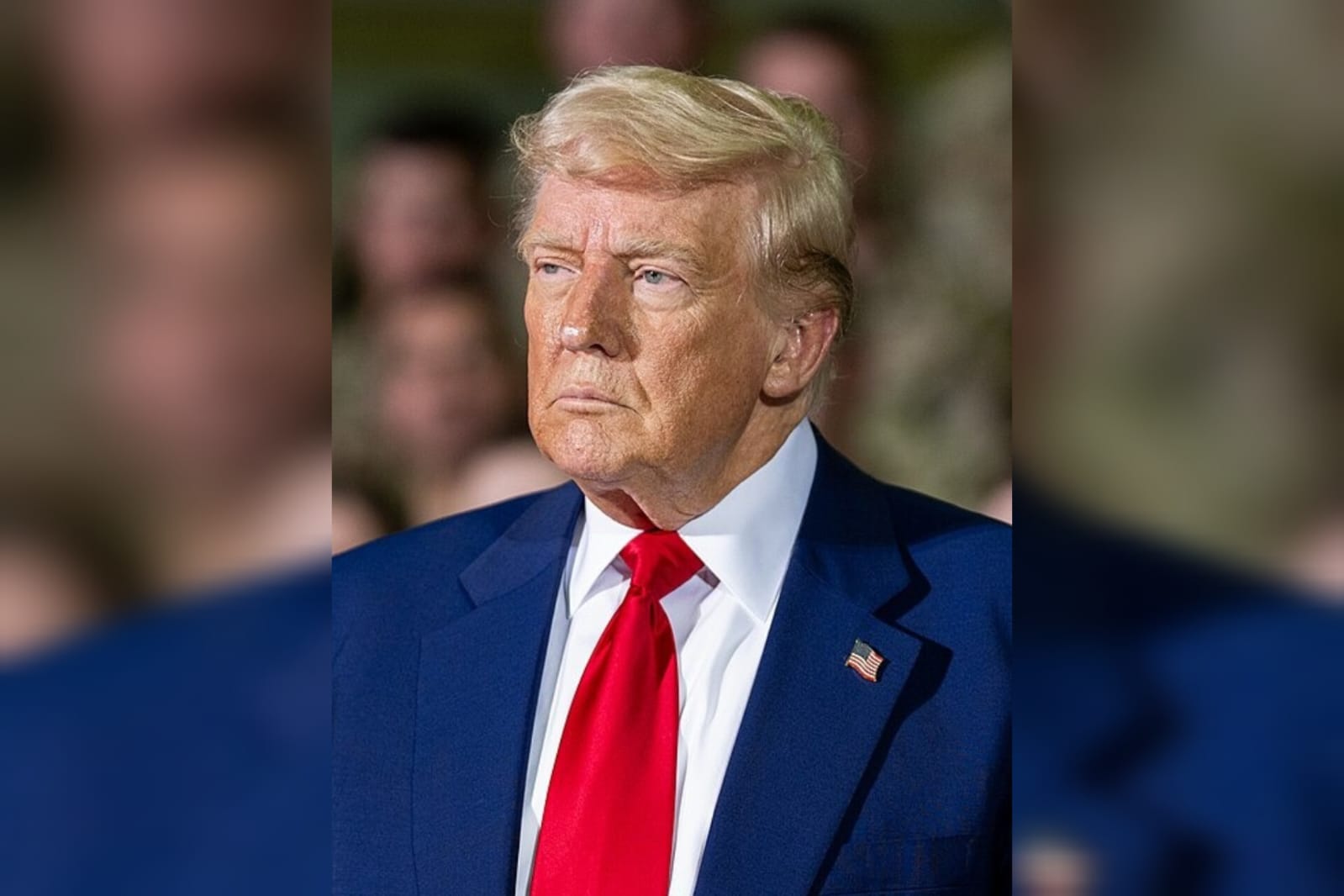
In a significant diplomatic move, U.S. President Donald Trump and Iranian President Masoud Pezeshkian have signed a 14-point agreement intended to ease tensions and avert a global economic crisis. The deal, which aims to stabilize energy markets and reduce risks to international shipping, includes the reopening of the Strait of Hormuz, a critical channel for global oil transportation. This agreement initiates a 60-day negotiation period focused on achieving a comprehensive and lasting settlement between the two nations.
Under the terms of the agreement, Iran agreed to reopen the Strait of Hormuz and engage in discussions regarding its nuclear program. In exchange, the United States committed to easing certain sanctions, permitting Iranian oil exports, unfreezing billions in Iranian assets, and supporting broader economic initiatives to help rejuvenate Iran’s economy. The deal also involves Iran decreasing its stockpile of highly enriched uranium under international oversight.
President Trump lauded the agreement as a necessary diplomatic step to prevent further conflict and potential severe disruptions to the global economy. He emphasized that reopening the Strait of Hormuz would contribute to energy market stability. While Gulf countries might invest in Iran’s reconstruction, Trump clarified that the United States would not provide financial aid directly.
Reactions to the agreement have been mixed. Proponents argue that it reduces regional tensions, ensures global energy security, and opens the door for extended negotiations regarding Iran’s nuclear ambitions. Critics, however, contend that the deal offers Iran significant economic relief without addressing its ballistic missile program or regional influence, potentially granting Tehran notable financial and strategic advantages.
The agreement also focuses on decreasing regional hostilities, with Iran committing not to pursue nuclear weapons and to act with restraint through its regional allies. Further negotiations are expected to tackle unresolved issues such as missile development and broader Middle East security concerns. While both parties have hailed the agreement as a pivotal milestone, its ultimate success will hinge on the results of the forthcoming talks.
