
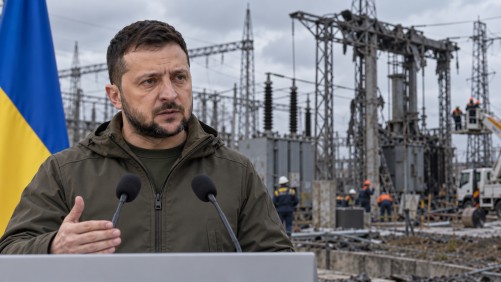
Ukrainian President Volodymyr Zelenskyy has issued a warning of potential retaliation as Russian attacks on Ukraine’s energy infrastructure continue amidst ongoing tensions. Speaking at a European security meeting in Warsaw, Zelenskyy emphasized Ukraine’s readiness to respond if Moscow persists in targeting the power grid, particularly during the cold winter months.
The backdrop to this warning is a contentious announcement by former US President Donald Trump, who claimed an energy ceasefire between Russia and Ukraine was effective immediately. Zelenskyy, however, expressed surprise at this statement, noting that neither Kyiv nor Moscow had formally agreed to any such arrangement. Meanwhile, Russian drone and missile strikes on Ukrainian energy facilities have persisted, causing power outages and injuries, with a recent attack on a power station in Kharkiv raising alarm about the country’s electricity supply.
While Ukraine has shown willingness to negotiate an energy ceasefire to protect crucial infrastructure, Russia has not confirmed its acceptance and insists on a broader peace agreement being established first. This diplomatic impasse is further complicated by Trump’s decision to temporarily ease restrictions on Russian diesel imports, a move criticized by Zelenskyy, who argues it could financially bolster Russia’s war efforts.
Trump has also urged Ukraine to halt its attacks on Russian oil refineries, accusing these strikes of contributing to higher fuel prices. This stance has deepened the rift between Washington and Kyiv, as Zelenskyy’s leadership comes under scrutiny. European leaders, supporting Ukraine, have stressed the importance of mutual respect for any ceasefire and criticized the lifting of restrictions on Russian energy imports.
As Russia ramps up its attacks on Ukrainian infrastructure, concerns grow over potential electricity shortages and disruptions to essential services throughout the winter. Ukraine continues its strategy of targeting Russian energy facilities to undermine Moscow’s war financing and military strength. The increasing focus on energy infrastructure as a strategic target casts doubt on the feasibility of a ceasefire, with Ukraine maintaining the necessity for reciprocal halts in aggression.
The escalating situation raises questions about the future of US support for Ukraine, especially concerning intelligence sharing and weapons procurement funded by European allies. Any reduction in this assistance could pose challenges for Kyiv’s military operations as the conflict wears on. European leaders continue to advocate for protective measures for civilians and critical infrastructure amid the ongoing hostilities.
