
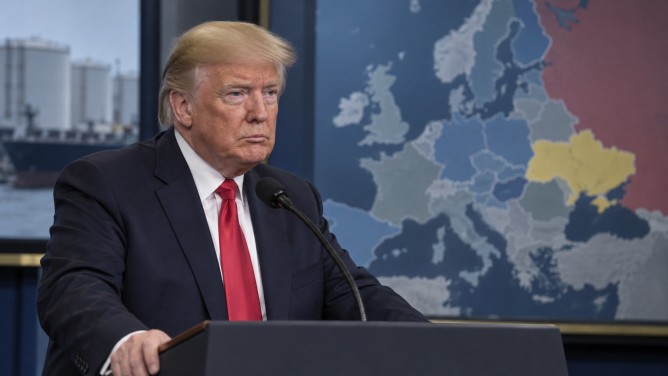
US President Donald Trump has announced a significant agreement with Russian President Vladimir Putin to supply over 300,000 tonnes of Russian diesel to international markets. This move, aimed at reducing fuel costs in the United States and elsewhere, has sparked criticism from Ukrainian President Volodymyr Zelenskyy, as well as US lawmakers and European allies.
Trump argues that the influx of Russian diesel will help alleviate rising fuel prices, which have surged due to disruptions in global energy supplies linked to the conflict involving Iran and the closure of the Strait of Hormuz. He emphasized the benefits for American farmers, ranchers, and transport operators.
However, Ukrainian President Zelenskyy has condemned the deal, claiming it could provide Moscow with additional resources to continue its military actions against Ukraine. He expressed concerns that this agreement might undermine international efforts to pressure Russia into ending the conflict and could overshadow ongoing diplomatic discussions among Ukrainian, American, and European officials.
The deal has also drawn criticism from US lawmakers. Democratic leaders have voiced concerns that purchasing Russian fuel might contradict recent sanctions aimed at limiting Moscow’s energy revenues. Some Republican lawmakers share the apprehension that increased revenue for Russia could bolster its military operations in Ukraine.
The announcement comes at a time when US representatives are engaged in meetings with Ukrainian and European officials to discuss potential resolutions to the war. The new development may complicate diplomatic efforts and further strain relations between Washington and Kyiv.
Despite the backlash, Trump has defended his decision by focusing on the need to lower energy costs for American consumers. The proposed diesel shipments highlight the complex challenge facing the United States in balancing domestic economic interests with its foreign policy objectives regarding Russia and the ongoing conflict in Ukraine.
