
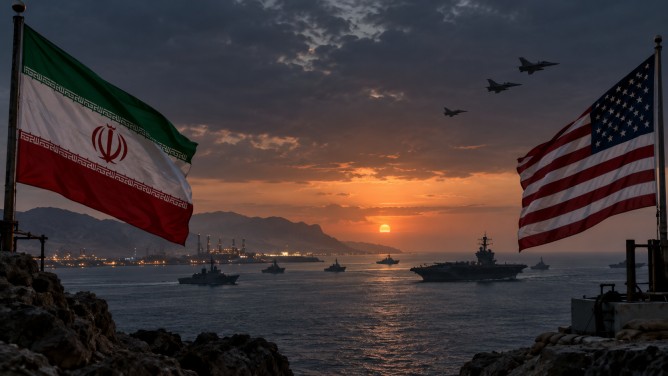
Tensions between Iran and the United States have escalated as both countries exchanged threats amid growing unrest in the Middle East. U.S. President Donald Trump warned Tehran of severe consequences if it does not agree to a deal, while Iran’s military signaled it would retaliate against American interests if attacked.
Despite the heated exchange, Trump suggested the possibility of meeting with Iranian President Masoud Pezeshkian during the United Nations General Assembly in New York, keeping a diplomatic channel open despite ongoing hostilities. Meanwhile, Iranian military officials have warned that any support for a U.S. offensive could drag other nations into the conflict.
The regional conflict is not contained to Iran and the U.S. as Yemen’s Houthi movement has claimed responsibility for missile and drone attacks on Saudi Arabia, targeting the capital Riyadh and an oil facility in Yanbu. Saudi defenses successfully intercepted a missile aimed at Riyadh and thwarted additional attacks.
The escalation has sparked concerns over regional security and the stability of energy supplies. Houthi actions near Yemen’s Red Sea coast and the strategic Bab el-Mandeb Strait have heightened risks for commercial shipping, while tensions around the Strait of Hormuz continue to pressure global energy markets.
The ongoing disruptions have affected oil shipments, contributing to fluctuating energy prices. However, oil prices showed some relief on September 21, as markets responded to hints of possible renewed diplomatic talks and a partial recovery in Saudi oil exports.
